Request a Hyrimoz® (adalimumab‑adaz) Representative

Complete the form below to be contacted by a Sandoz associate for Hyrimoz information and/or support.

Have a medical question about Hyrimoz?

Please fill out a medical inquiry form.
Our Medical Information team will respond to your request as soon as possible.

*Indicates required field.

There was an error processing your request. Please review the form and try again.
By clicking “Submit,” you confirm that you are a US healthcare professional and agree to be contacted by a representative of Sandoz Inc. In addition, you agree to receive information about Sandoz Inc, including information about any of its current or future products or product candidates or disease state information and you may opt out at any time, and you acknowledge that you have read and agree to Sandoz Inc's Privacy Policy and Terms of Use. All personal information will be kept confidential and will not be shared with any parties other than Sandoz Inc and its business partners.

Find out more about adalimumab-adaz

  • Sandoz One Source

    Sandoz One Source

    Learn more about our comprehensive patient and office support offerings

    More about Patient Support
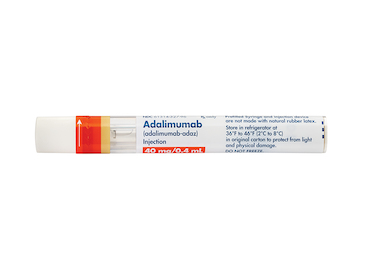
  • The Sensoready Pen

    The Sensoready Pen

    An autoinjector with features patients can see, hear, and feel

    Discover the features
  • Still Have Questions?

    Still Have Questions?

    Check out our FAQs for additional information about safety and efficacy, financial support options, and more

    Read FAQs
ornament

IMPORTANT SAFETY INFORMATION AND INDICATIONS

WARNINGS AND PRECAUTIONS

Serious Infections

  • Do not start Adalimumab-adaz during an active infection, including localized infections
  • If an infection develops, monitor carefully, and stop Adalimumab-adaz if infection becomes serious
  • Drug interactions with biologic products: A higher rate of serious infections has been observed in RA patients treated with rituximab who received subsequent treatment with a TNF blocker. An increased risk of serious infections has been seen with the combination of TNF blockers with anakinra or abatacept, with no demonstrated added benefit in patients with RA. Concomitant administration of Adalimumab-adaz with other biologic DMARDs (eg, anakinra or abatacept) or other TNF blockers is not recommended based on the possible increased risk for infections and other potential pharmacological interactions
  • Patients 65 years of age and older, patients with co-morbid conditions and/or patients taking concomitant immunosuppressants may be at greater risk of infection
  • Invasive fungal infections: For patients who develop a systemic illness on Adalimumab-adaz, consider empiric antifungal therapy for those who reside or travel to regions where mycoses are endemic
Malignancies
  • In clinical trials, incidence of malignancies was greater in adalimumab-treated subjects than in controls
  • Consider the risks and benefits of TNF blocker-treatment, including Adalimumab-adaz, prior to initiating therapy in patients with known malignancy
  • Non-melanoma skin cancer (NMSC) was reported during clinical trials for adalimumab-treated subjects. Examine all patients, particularly those with a history of prolonged immunosuppressant or PUVA therapy for the presence of NMSC prior to and during treatment with Adalimumab-adaz
  • In the adalimumab clinical trials there was an approximate 3-fold higher rate of lymphoma than expected in the general US population. Patients with chronic inflammatory diseases, particularly those with highly active disease and/or chronic exposure to immunosuppressant therapies, may be at a higher risk than the general population for the development of lymphoma, even in the absence of TNF blockers
  • Post-marketing cases of acute and chronic leukemia have been reported in association with TNF-blocker use. Approximately half of the post-marketing cases of malignancies in children, adolescents, and young adults receiving TNF blockers were lymphomas; other cases represented a variety of different malignancies and included rare malignancies usually associated with immunosuppression and malignancies that are not usually observed in children and adolescents
Hypersensitivity Reactions
  • Anaphylaxis or serious allergic reactions have been reported following administration of adalimumab products. If an anaphylactic or other serious hypersensitivity reaction occurs, immediately discontinue administration of Adalimumab-adaz and institute appropriate therapy

Hepatitis B Virus Reactivation

  • Use of TNF blockers, including Adalimumab-adaz, may increase the risk of reactivation of hepatitis B virus (HBV) in patients who are chronic carriers. Some cases have been fatal
  • Evaluate patients at risk for HBV infection for prior evidence of HBV infection before initiating TNF blocker therapy
  • Exercise caution in patients identified as carriers of HBV and closely monitor during and after Adalimumab-adaz treatment
  • In patients who develop HBV reactivation, stop Adalimumab-adaz and initiate effective anti-viral therapy. Exercise caution when resuming Adalimumab-adaz after HBV treatment

Neurologic Reactions

  • Use of TNF-blocking agents, including adalimumab products, has been associated with rare cases of new onset or exacerbation of central nervous system and peripheral demyelinating disease, including multiple sclerosis (MS), optic neuritis, and Guillain-Barré syndrome
  • Exercise caution when considering Adalimumab-adaz for patients with these disorders; discontinuation of Adalimumab-adaz should be considered if any of these disorders develop
  • There is a known association between intermediate uveitis and central demyelinating disorders

Hematological Reactions

  • Rare reports of pancytopenia, including aplastic anemia, have been reported with TNF-blocking agents. Medically significant cytopenia has been infrequently reported with adalimumab products
  • Consider stopping Adalimumab-adaz if significant hematologic abnormalities occur

Heart Failure

  • Worsening and new onset congestive heart failure (CHF) has been reported with TNF blockers. Cases of worsening CHF have also been observed with adalimumab products; exercise caution and monitor carefully

Autoimmunity

  • Treatment with adalimumab products may result in the formation of autoantibodies and, rarely, in the development of a lupus-like syndrome or autoimmune hepatitis. Discontinue treatment and evaluate patient if symptoms and findings of a lupus-like syndrome or autoimmune hepatitis develop

Immunizations

  • Patients on Adalimumab-adaz should not receive live vaccines
  • Pediatric patients, if possible, should be brought up to date with all immunizations prior to initiating Adalimumab-adaz therapy
  • Adalimumab is actively transferred across the placenta during the third trimester of pregnancy and may affect immune response in the in utero exposed infant. The safety of administering live or live-attenuated vaccines in infants exposed to adalimumab products in utero is unknown. Risks and benefits should be considered prior to vaccinating (live or live-attenuated) exposed infants

WARNING: SERIOUS INFECTIONS and MALIGNANCY

SERIOUS INFECTIONS

Patients treated with adalimumab products, including Adalimumab-adaz, are at increased risk for developing serious infections that may lead to hospitalization or death. Most patients who developed these infections were taking concomitant immunosuppressants such as methotrexate or corticosteroids.

Discontinue Adalimumab-adaz if a patient develops a serious infection or sepsis.

Reported infections include:

  • Active tuberculosis (TB), including reactivation of latent TB. Patients with TB have frequently presented with disseminated or extrapulmonary disease. Test patients for latent TB before Adalimumab-adaz use and during therapy. Initiate treatment for latent TB prior to Adalimumab-adaz use
  • Invasive fungal infections, including histoplasmosis, coccidioidomycosis, candidiasis, aspergillosis, blastomycosis, and pneumocystosis. Patients with histoplasmosis or other invasive fungal infections may present with disseminated, rather than localized, disease. Antigen and antibody testing for histoplasmosis may be negative in some patients with active infection. Consider empiric anti-fungal therapy in patients at risk for invasive fungal infections who develop severe systemic illness
  • Bacterial, viral, and other infections due to opportunistic pathogens, including Legionella and Listeria

Carefully consider the risks and benefits of treatment with Adalimumab-adaz prior to initiating therapy in patients with chronic or recurrent infection.

Monitor patients closely for the development of signs and symptoms of infection during and after treatment with Adalimumab-adaz, including the possible development of TB in patients who tested negative for latent TB infection prior to initiating therapy.

MALIGNANCY

Lymphoma and other malignancies, some fatal, have been reported in children and adolescent patients treated with TNF blockers including adalimumab products. Post-marketing cases of hepatosplenic T-cell lymphoma (HSTCL), a rare type of T-cell lymphoma, have been reported in patients treated with TNF-blockers including adalimumab products. These cases have had a very aggressive disease course and have been fatal. The majority of reported TNF blocker cases have occurred in patients with Crohn's disease or ulcerative colitis and the majority were in adolescent and young adult males. Almost all these patients had received treatment with azathioprine or 6-mercaptopurine (6–MP) concomitantly with a TNF blocker at or prior to diagnosis. It is uncertain whether the occurrence of HSTCL is related to use of a TNF blocker or a TNF blocker in combination with these other immunosuppressants.

WARNING: SERIOUS INFECTIONS and MALIGNANCY

SERIOUS INFECTIONS

Patients treated with adalimumab products, including Adalimumab-adaz, are at increased risk for developing serious infections that may lead to hospitalization or death. Most patients who developed these infections were taking concomitant immunosuppressants such as methotrexate or corticosteroids.

Discontinue Adalimumab-adaz if a patient develops a serious infection or sepsis.

Reported infections include:

  • Active tuberculosis (TB), including reactivation of latent TB. Patients with TB have frequently presented with disseminated or extrapulmonary disease. Test patients for latent TB before Adalimumab-adaz use and during therapy. Initiate treatment for latent TB prior to Adalimumab-adaz use
  • Invasive fungal infections, including histoplasmosis, coccidioidomycosis, candidiasis, aspergillosis, blastomycosis, and pneumocystosis. Patients with histoplasmosis or other invasive fungal infections may present with disseminated, rather than localized, disease. Antigen and antibody testing for histoplasmosis may be negative in some patients with active infection. Consider empiric anti-fungal therapy in patients at risk for invasive fungal infections who develop severe systemic illness
  • Bacterial, viral, and other infections due to opportunistic pathogens, including Legionella and Listeria

Carefully consider the risks and benefits of treatment with Adalimumab-adaz prior to initiating therapy in patients with chronic or recurrent infection.

Monitor patients closely for the development of signs and symptoms of infection during and after treatment with Adalimumab-adaz, including the possible development of TB in patients who tested negative for latent TB infection prior to initiating therapy.

MALIGNANCY

Lymphoma and other malignancies, some fatal, have been reported in children and adolescent patients treated with TNF blockers including adalimumab products. Post-marketing cases of hepatosplenic T-cell lymphoma (HSTCL), a rare type of T-cell lymphoma, have been reported in patients treated with TNF-blockers including adalimumab products. These cases have had a very aggressive disease course and have been fatal. The majority of reported TNF blocker cases have occurred in patients with Crohn's disease or ulcerative colitis and the majority were in adolescent and young adult males. Almost all these patients had received treatment with azathioprine or 6-mercaptopurine (6–MP) concomitantly with a TNF blocker at or prior to diagnosis. It is uncertain whether the occurrence of HSTCL is related to use of a TNF blocker or a TNF blocker in combination with these other immunosuppressants.
WARNINGS AND PRECAUTIONS

Serious Infections
  • Do not start Adalimumab-adaz during an active infection, including localized infections
  • If an infection develops, monitor carefully, and stop Adalimumab-adaz if infection becomes serious
  • Drug interactions with biologic products: A higher rate of serious infections has been observed in RA patients treated with rituximab who received subsequent treatment with a TNF blocker. An increased risk of serious infections has been seen with the combination of TNF blockers with anakinra or abatacept, with no demonstrated added benefit in patients with RA. Concomitant administration of Adalimumab-adaz with other biologic DMARDs (eg, anakinra or abatacept) or other TNF blockers is not recommended based on the possible increased risk for infections and other potential pharmacological interactions
  • Patients 65 years of age and older, patients with co-morbid conditions and/or patients taking concomitant immunosuppressants may be at greater risk of infection
  • Invasive fungal infections: For patients who develop a systemic illness on Adalimumab-adaz, consider empiric antifungal therapy for those who reside or travel to regions where mycoses are endemic
Malignancies
  • In clinical trials, incidence of malignancies was greater in adalimumab-treated subjects than in controls
  • Consider the risks and benefits of TNF blocker-treatment, including Adalimumab-adaz, prior to initiating therapy in patients with known malignancy
  • Non-melanoma skin cancer (NMSC) was reported during clinical trials for adalimumab-treated subjects. Examine all patients, particularly those with a history of prolonged immunosuppressant or PUVA therapy for the presence of NMSC prior to and during treatment with Adalimumab-adaz
  • In the adalimumab clinical trials there was an approximate 3-fold higher rate of lymphoma than expected in the general US population. Patients with chronic inflammatory diseases, particularly those with highly active disease and/or chronic exposure to immunosuppressant therapies, may be at a higher risk than the general population for the development of lymphoma, even in the absence of TNF blockers
  • Post-marketing cases of acute and chronic leukemia have been reported in association with TNF-blocker use. Approximately half of the post-marketing cases of malignancies in children, adolescents, and young adults receiving TNF blockers were lymphomas; other cases represented a variety of different malignancies and included rare malignancies usually associated with immunosuppression and malignancies that are not usually observed in children and adolescents
Hypersensitivity Reactions
  • Anaphylaxis or serious allergic reactions have been reported following administration of adalimumab products. If an anaphylactic or other serious hypersensitivity reaction occurs, immediately discontinue administration of Adalimumab-adaz and institute appropriate therapy
Hepatitis B Virus Reactivation
  • Use of TNF blockers, including Adalimumab-adaz, may increase the risk of reactivation of hepatitis B virus (HBV) in patients who are chronic carriers. Some cases have been fatal
  • Evaluate patients at risk for HBV infection for prior evidence of HBV infection before initiating TNF blocker therapy
  • Exercise caution in patients identified as carriers of HBV and closely monitor during and after Adalimumab-adaz treatment
  • In patients who develop HBV reactivation, stop Adalimumab-adaz and initiate effective anti-viral therapy. Exercise caution when resuming Adalimumab-adaz after HBV treatment
Neurologic Reactions
  • Use of TNF-blocking agents, including adalimumab products, has been associated with rare cases of new onset or exacerbation of central nervous system and peripheral demyelinating disease, including multiple sclerosis (MS), optic neuritis, and Guillain-Barré syndrome
  • Exercise caution when considering Adalimumab-adaz for patients with these disorders; discontinuation of Adalimumab-adaz should be considered if any of these disorders develop
  • There is a known association between intermediate uveitis and central demyelinating disorders
Hematological Reactions
  • Rare reports of pancytopenia, including aplastic anemia, have been reported with TNF-blocking agents. Medically significant cytopenia has been infrequently reported with adalimumab products
  • Consider stopping Adalimumab-adaz if significant hematologic abnormalities occur
Heart Failure
  • Worsening and new onset congestive heart failure (CHF) has been reported with TNF blockers. Cases of worsening CHF have also been observed with adalimumab products; exercise caution and monitor carefully
Autoimmunity
  • Treatment with adalimumab products may result in the formation of autoantibodies and, rarely, in the development of a lupus-like syndrome or autoimmune hepatitis. Discontinue treatment and evaluate patient if symptoms and findings of a lupus-like syndrome or autoimmune hepatitis develop
Immunizations
  • Patients on Adalimumab-adaz should not receive live vaccines
  • Pediatric patients, if possible, should be brought up to date with all immunizations prior to initiating Adalimumab-adaz therapy
  • Adalimumab is actively transferred across the placenta during the third trimester of pregnancy and may affect immune response in the in utero exposed infant. The safety of administering live or live-attenuated vaccines in infants exposed to adalimumab products in utero is unknown. Risks and benefits should be considered prior to vaccinating (live or live-attenuated) exposed infants

ADVERSE REACTIONS

The most common adverse reactions (incidence >10 %): infections (eg, upper respiratory, sinusitis), injection site reactions, headache, and rash.

INDICATIONS

Adalimumab-adaz injection for subcutaneous use a prescription medication, is a tumor necrosis factor (TNF)-blocker indicated for:

  • Rheumatoid Arthritis (RA): Alone or in combination with methotrexate or other non-biologic disease-modifying anti-rheumatic drugs (DMARDs), for reducing signs and symptoms, inducing major clinical response, inhibiting the progression of structural damage, and improving physical function in adult patients with moderately to severely active RA
  • Juvenile Idiopathic Arthritis (JIA): Alone or in combination with methotrexate for reducing signs and symptoms of moderately to severely active polyarticular JIA in patients 2 years of age and older
  • Psoriatic Arthritis (PsA): Alone or in combination with non-biologic DMARDs, for reducing signs and symptoms, inhibiting the progression of structural damage, and improving physical function in adult patients with active PsA
  • Ankylosing Spondylitis (AS): Reducing signs and symptoms in adult patients with active AS
  • Crohn’s Disease (CD): Treatment of moderately to severely active CD in adults and pediatric patients 6 years of age and older
  • Ulcerative Colitis (UC): Treatment of moderately to severely active UC in adult patients

Limitations of use: The effectiveness of adalimumab products has not been established in patients who have lost response to or were intolerant to TNF blockers.

  • Plaque Psoriasis (Ps): Treatment of adult patients with moderate to severe chronic Ps who are candidates for systemic therapy or phototherapy, and when other systemic therapies are medically less appropriate. Adalimumab-adaz should only be administered to patients who will be closely monitored and have regular follow-up visits with a physician
  • Hidradenitis Suppurativa (HS): Treatment of moderate to severe HS in patients 12 years of age and older
  • Uveitis: Treatment of non-infectious intermediate, posterior, and panuveitis in patients 12 years of age and older
Please see full Prescribing Information including Boxed Warning and Medication Guide.

To report SUSPECTED ADVERSE REACTIONS, contact Sandoz Inc. at 1-800-525-8747 or FDA at 1-800-FDA-1088 or www.fda.gov/medwatch.